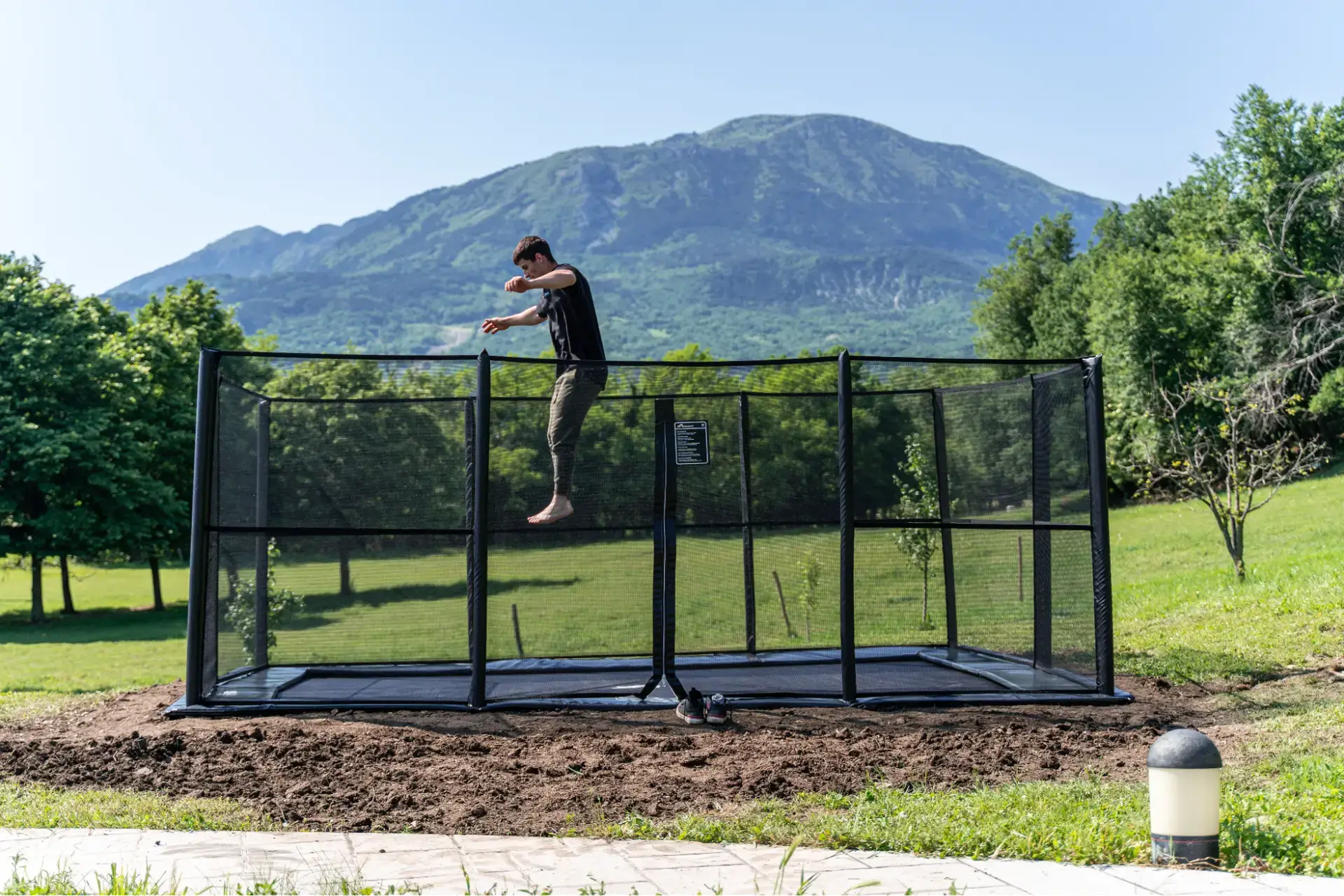
– Trampoline-based rehab improves balance, gait, trunk stability, and symmetrical limb engagement, lowering fall risk and building confidence.
– Bouncing releases serotonin, dopamine, and endorphins, improving mood, focus, and neuroplasticity; survivors find it meditative.
– Real stories: a climber retrained grip, a five-year post-stroke survivor jumped again, a parent bonded with their child.
– AkroVENT mats absorb 62.7% more bounce energy than traditional mats, cushioning joints and enabling gradual progression.
– Start with medical clearance; use high-quality in-ground/above-ground trampolines with enclosures, not retail rebounders.
– Avoid solo, multi-jumper, or intense cardio sessions; uneven or worn equipment can cause compensations and regressions.
Trampolining for Stroke Survivors
AI overview
Stroke rehabilitation is undergoing a quiet revolution. While traditional physical therapy remains a foundation of recovery, many stroke survivors are exploring dynamic, engaging ways to retrain the body and restore confidence.
One approach that’s gaining traction? Trampolining.
In conventional rehab, progress often stalls due to repetitive, low-stimulus routines that can disengage both the mind and body. By contrast, trampolining provides a unique combination of physical stimulation, neuromuscular coordination, and emotional renewal.
With every bounce, stroke survivors reengage their core, reawaken spatial awareness, and rebuild movement patterns, all in a format that feels playful, not clinical.
Is Trampolining Effective After a Stroke?
Numerous studies confirm that trampoline-based training can support post-stroke rehabilitation in measurable ways. Participants in supervised programs have shown consistent gains in:
These physical benefits are made possible by Akrobat’s AkroVENT® jump surface, which absorbs 62.7% more bounce energy than traditional mats. This means reduced impact on joints and greater motion control during early and late-stage recovery.
Cognitive & Mental Health Gains
Recovery from stroke is more than a physical journey. It’s also deeply emotional. The act of rebounding offers psychological rewards that go beyond numbers on a test sheet.
These gains aren’t theoretical. I’ve seen them in my own life. Years ago, I couldn’t ride a bike because of pain in my knees. Now, I jump every day, and that renewed strength changed everything. For many stroke survivors, bouncing is the first time they’ve moved freely in years.
Stroke Survivors Speak: Real-World Recovery Stories
Rehabilitation is personal, and nothing is more powerful than seeing what’s possible through the lens of real people.
These are not outliers. They are everyday people unlocking movement through bounce-based rehabilitation. Their progress speaks to what’s possible with the right equipment, environment, and mindset.
What Makes Trampolining Stroke-Friendly?
Low-Impact, High-Reward Movement
The surface you train on matters. That’s why Akrobat trampolines are engineered to deliver maximum bounce control with minimum strain.
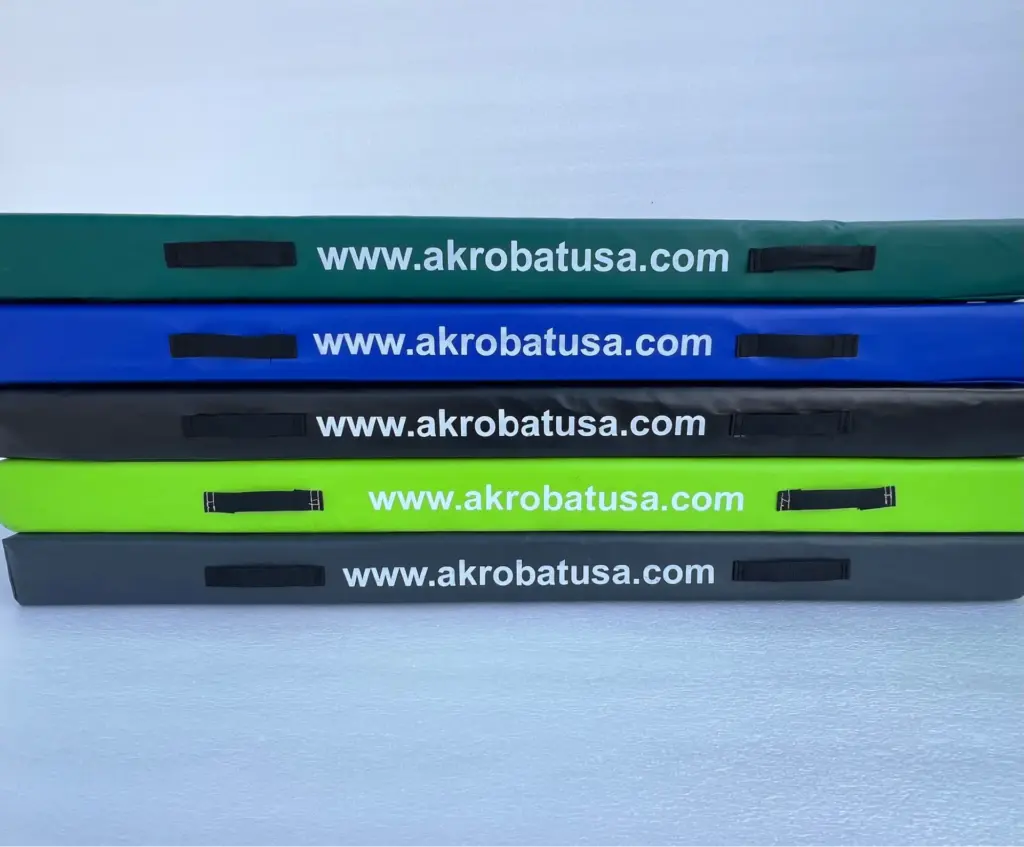
Adaptive Training Modes
Stroke recovery isn’t one-size-fits-all. That’s why a trampoline must support a spectrum of needs, from grounded postures to dynamic motions.
Whether you’re regaining balance, building confidence, or chasing your next milestone, trampolining with the right structure can meet you exactly where you are.
Step-by-Step: How to Start Trampolining Post-Stroke
Trampolining should never be rushed. Progress builds with consistency and proper structure. Here’s a simplified way to get started.
Step 1: Assess Your Readiness
Step 2: Choose the Right Equipment
Step 3: Start With Foundational Exercises
Begin with simple routines that activate core muscle groups and rebuild movement control:
Step 4: Gradually Progress
What to Avoid When Rebounding After a Stroke
Trampolining is highly adaptable, but that doesn’t mean anything goes. To keep the experience productive:
The AkrobatUSA Advantage for Stroke Recovery
When it comes to trampolining as part of stroke rehabilitation, quality isn’t a bonus, it’s the baseline. At AkrobatUSA, every trampoline is engineered to meet the unique demands of recovery, safety, and long-term performance.

Should You Try Trampolining After a Stroke?
Yes, if you’re searching for a way to reconnect with your body in a way that’s progressive and genuinely motivating. Whether you’re just beginning your journey or trying to break through a plateau five years post-stroke, trampolining has the potential to awaken strength, coordination, and joy that once felt out of reach.
Here’s what we offer at AkrobatUSA:
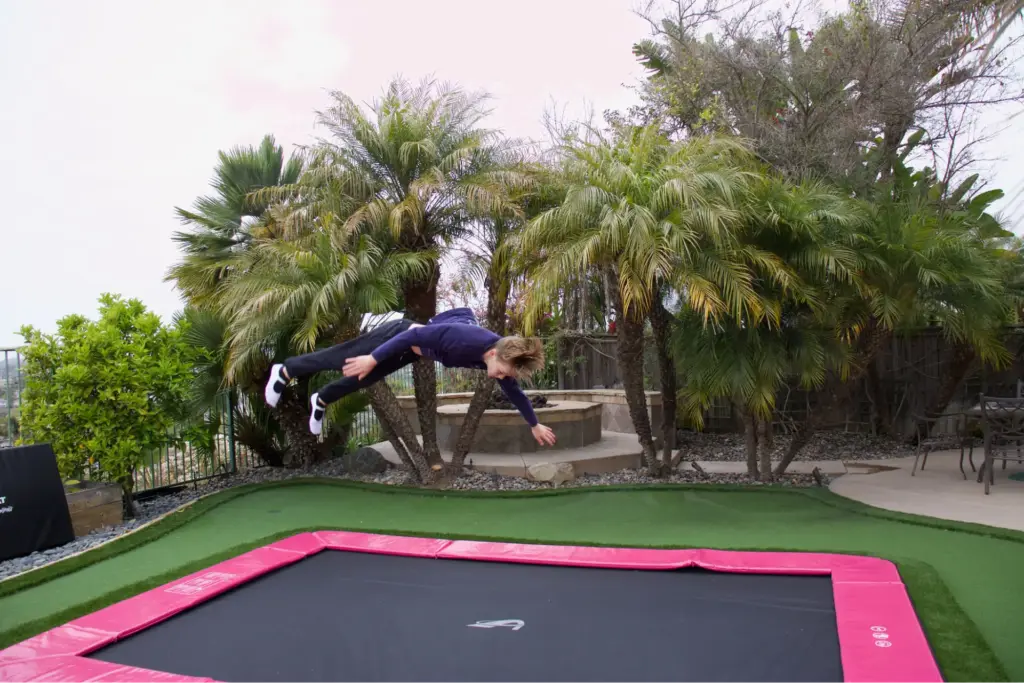
Who This Is For
You move with more ease. You feel stable when stepping out of bed. You have the energy and confidence to walk across a room, or even play with your kids or grandkids outside. Your body is reawakening, your coordination is returning, and you’re finally enjoying the movement again.
👉 Explore AkrobatUSA’s in-ground trampolines and safety accessories, because recovery deserves more than a makeshift setup.
Akrobat Products
Start creating a lifetime of memories with your very own Akrobat in-ground trampoline kit! We focus on safety, quality, and performance.
View All Categories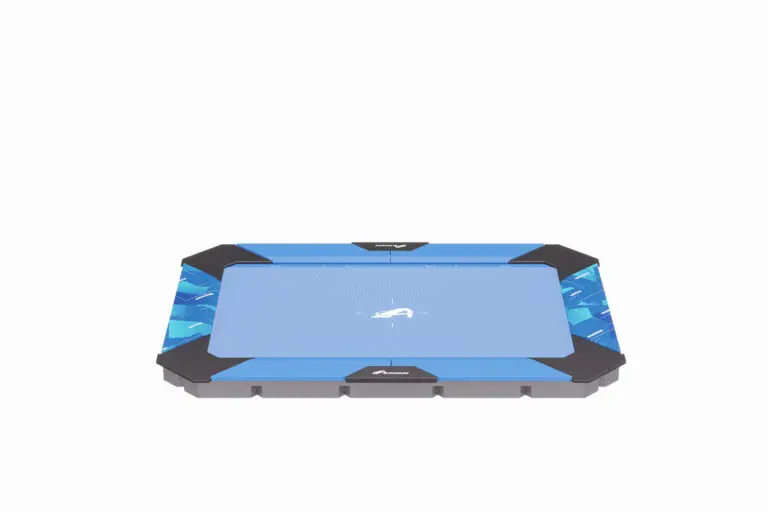
Rectangular In-Ground Trampolines
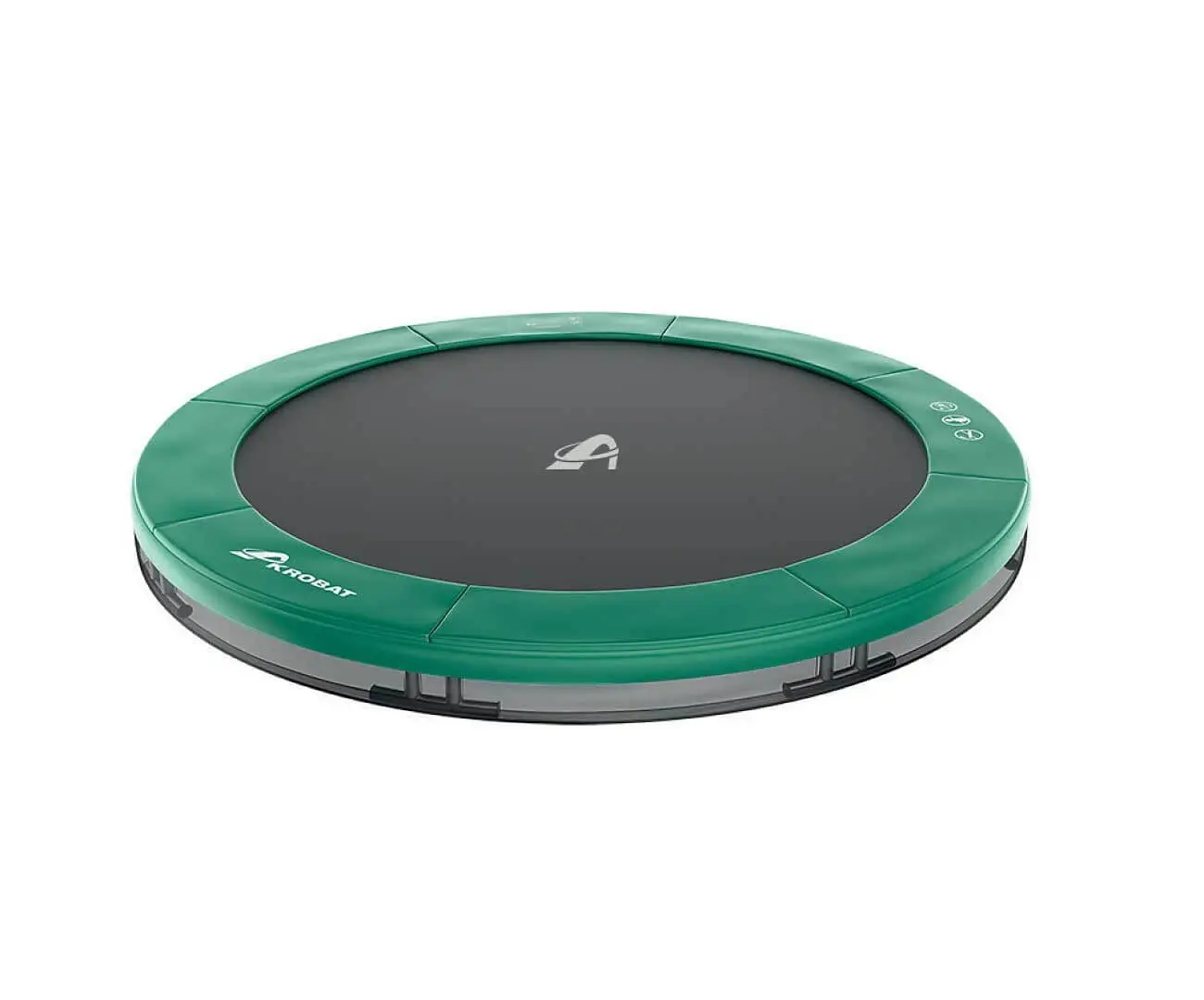
Round In-Ground Trampolines
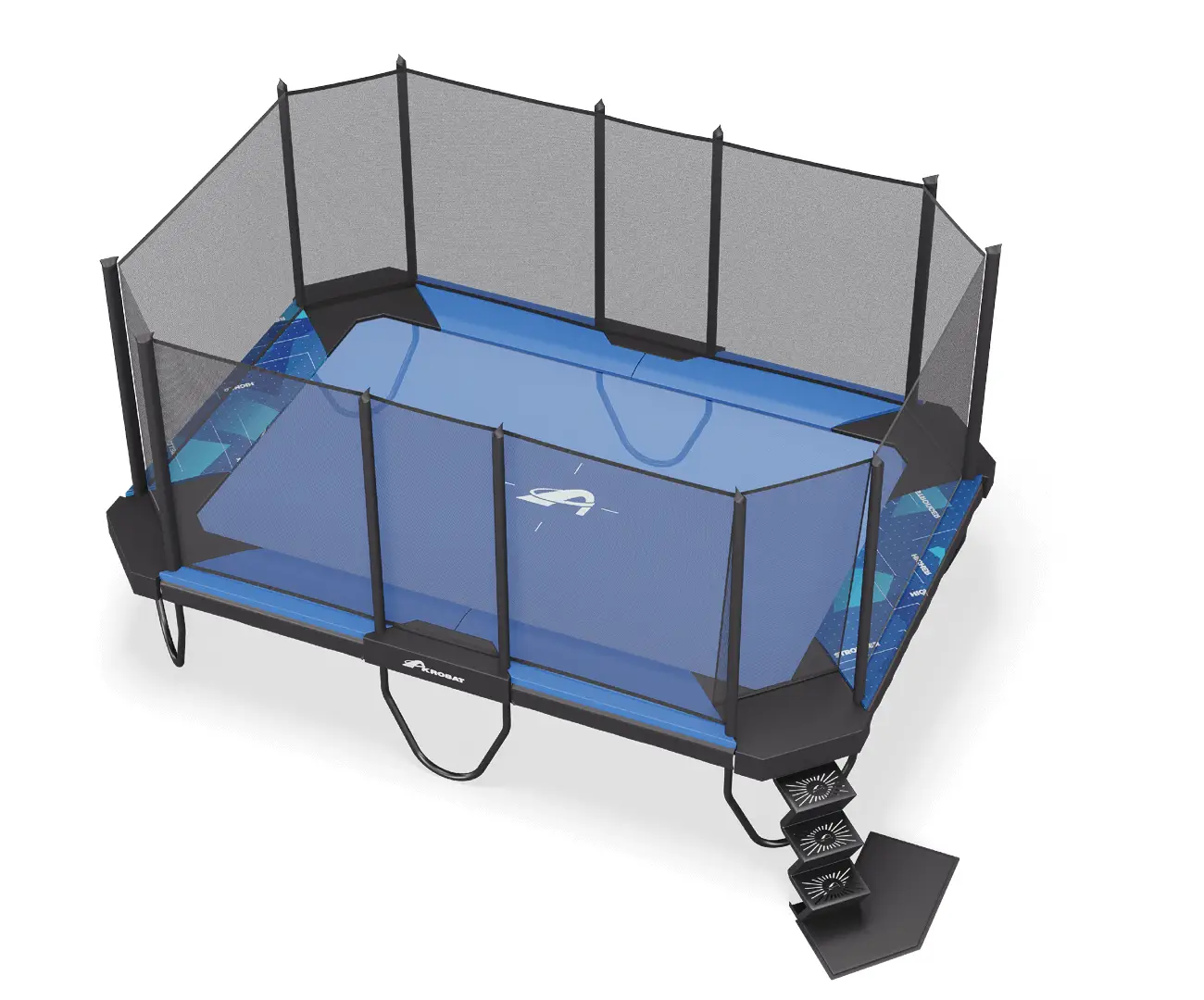
Above Ground Trampolines
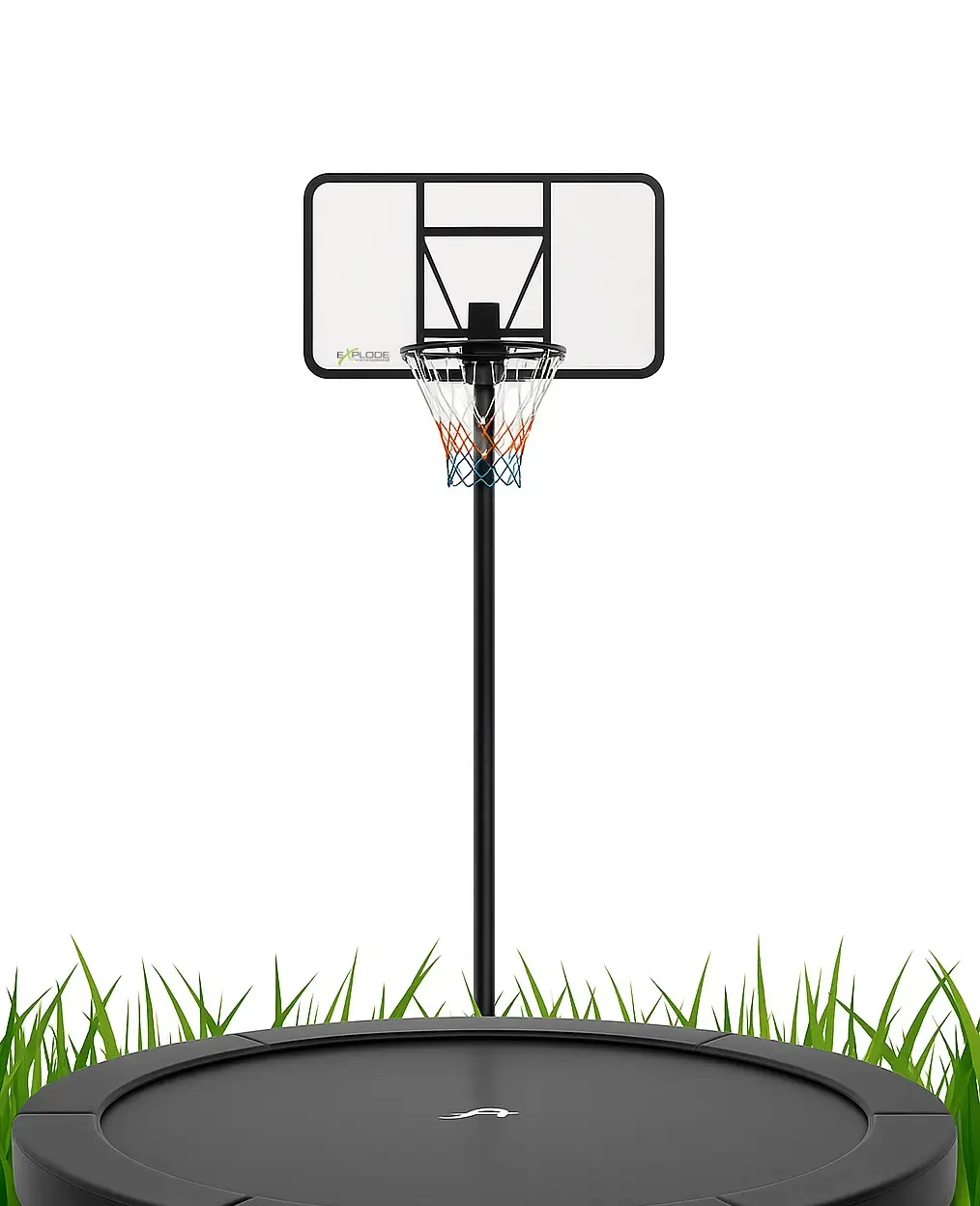
Trampoline Accessories