
– Bone density determines bone strength, peaking in young adults then declining with age, especially after menopause.
– Trampolining stimulates new bone cell growth, increasing density and mass, much like muscles respond to stress.
– Rebounding creates low-impact forces, so it strengthens bones with a significantly lower injury risk than hard jumps.
– NASA uses rebounding to rebuild bone mass lost by astronauts; it also helps the elderly prevent osteoporosis.
– WHO recommends bone-strengthening exercise at least three times weekly; trampolining is ideal for children.
– Start early and rebound regularly: your bone health today is an investment in stronger bones tomorrow.
Stronger bones with trampolining
August 9, 2022
David Silver
AI overview
[ux_image_box style="none" img="https://staging.akrobatusa.com/wp-content/uploads/2022/08/Stronger-bones-with-trampolining-01.webp" image_width="44" image_hover="zoom"]
Bouncing rhythmically up and down on trampolines stimulates every muscle and cell in the body. There’s also a lot of evidence showing that regular trampolining contributes significantly to stronger, healthier bones. Continue reading to find out why. [/ux_image_box] [section] [ux_text text_align=”center”]
Bone density has a significant impact on the health of our bones
[/ux_text] [ux_text text_align=”center”] The skeleton gives us support and, together with our muscles, enables our movement. At birth, our skeleton is composed of 308 bones, some of which then gradually grow together to form around 207 in adulthood. The strength of our bones depends on their density. The greater the density, the stronger the bones. Bone density is the highest in young adults, and then slowly decreases with age. A decline in bone density is especially common among menopausal women. The most serious effect of declining bone density is frequent fractures in old age. However, few people in their 20s think about the health of their bones when they’ll be 50 and older. But there’s a wide range of preventive measures we can use to improve the health of our bones, and trampolining is one of them. [/ux_text] [/section] [ux_image id="https://staging.akrobatusa.com/wp-content/uploads/2022/08/Stronger-bones-with-trampolining-03.webp" image_hover="zoom" image_hover_alt="zoom"] [featured_box margin="10px 0px 0px 0px"]How can trampolining help our stronger bones?
[ux_image_box style="none" img="https://staging.akrobatusa.com/wp-content/uploads/2022/08/Stronger-bones-with-trampolining-04.webp" image_width="44" image_hover="zoom"]How much trampolining is enough to maintain healthy bones?
Bearing all this in mind, you’re probably wondering how much trampolining is enough to maintain healthy bones in old age. A study conducted on a sample of women with an average age of 70 showed that improvements after a 12-week trampolining training program were significantly smaller compared to those found in studies conducted among younger women. The main reason for this is that training intensity decreases with age due to a higher risk of injury, and so more time is required to achieve the same results.
WHO’s latest recommendations are that even children and adolescents should perform muscle and bone-strengthening exercises at least three times a week, in addition to regular physical activity. As established above, trampolining is very effective in maintaining healthy bones and so it is an ideal activity for this age group because children never get tired of it.
But it is, first and foremost, vital that we start taking care of our bones early enough to ensure they remain healthy in old age. Everything we do for our health today is a great investment in our future.
[/ux_image_box]
[section]
[ux_text text_align=”center”]
Akrobat Products
Start creating a lifetime of memories with your very own Akrobat in-ground trampoline kit! We focus on safety, quality, and performance.
View All Categories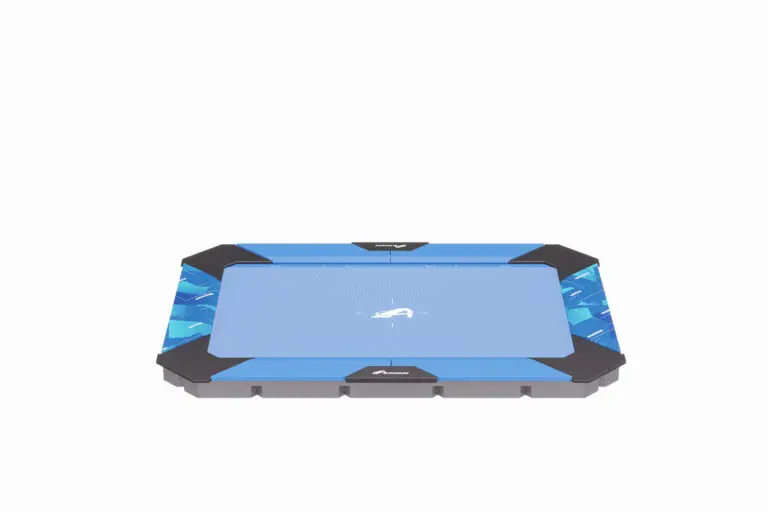
Rectangular In-Ground Trampolines
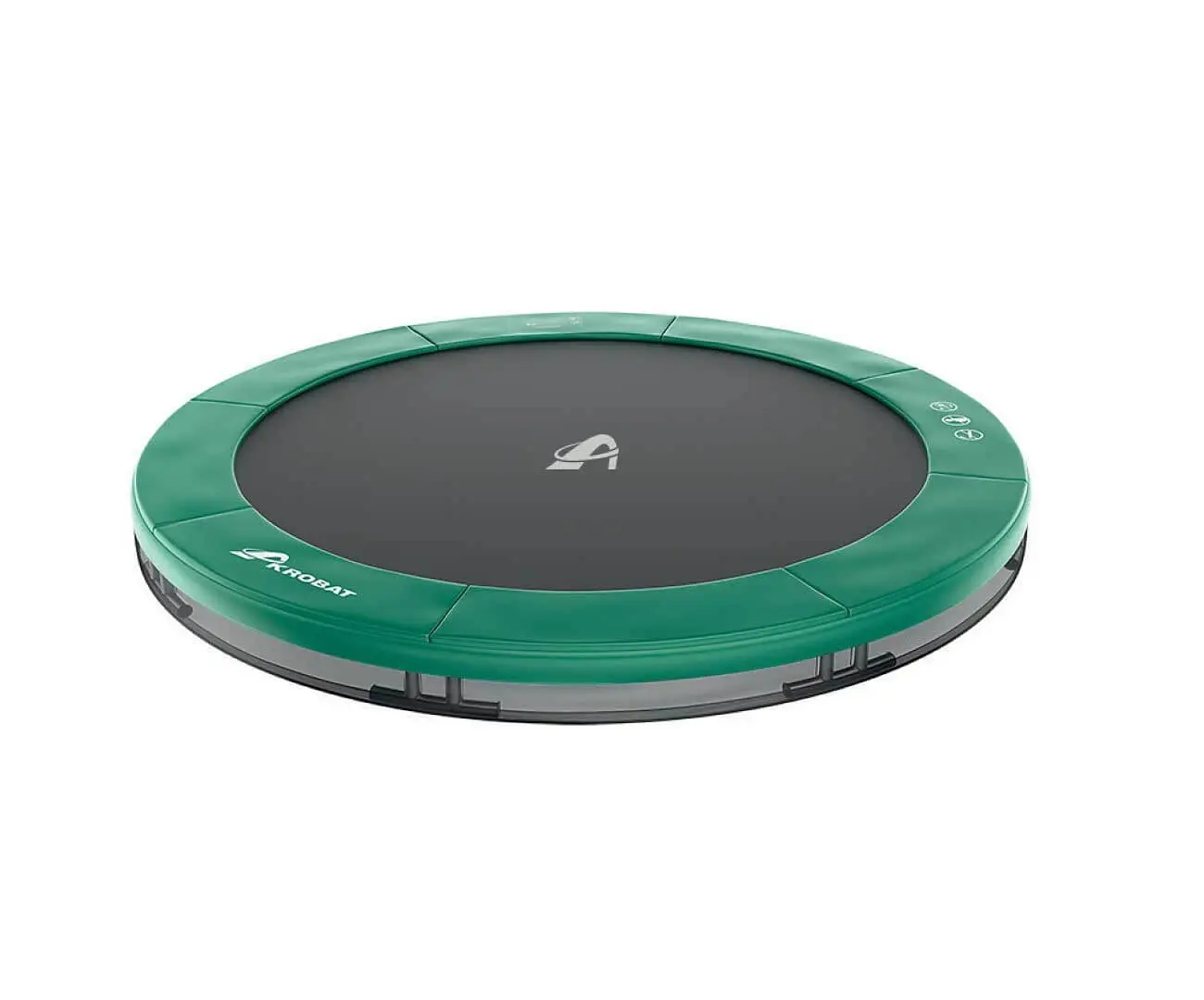
Round In-Ground Trampolines
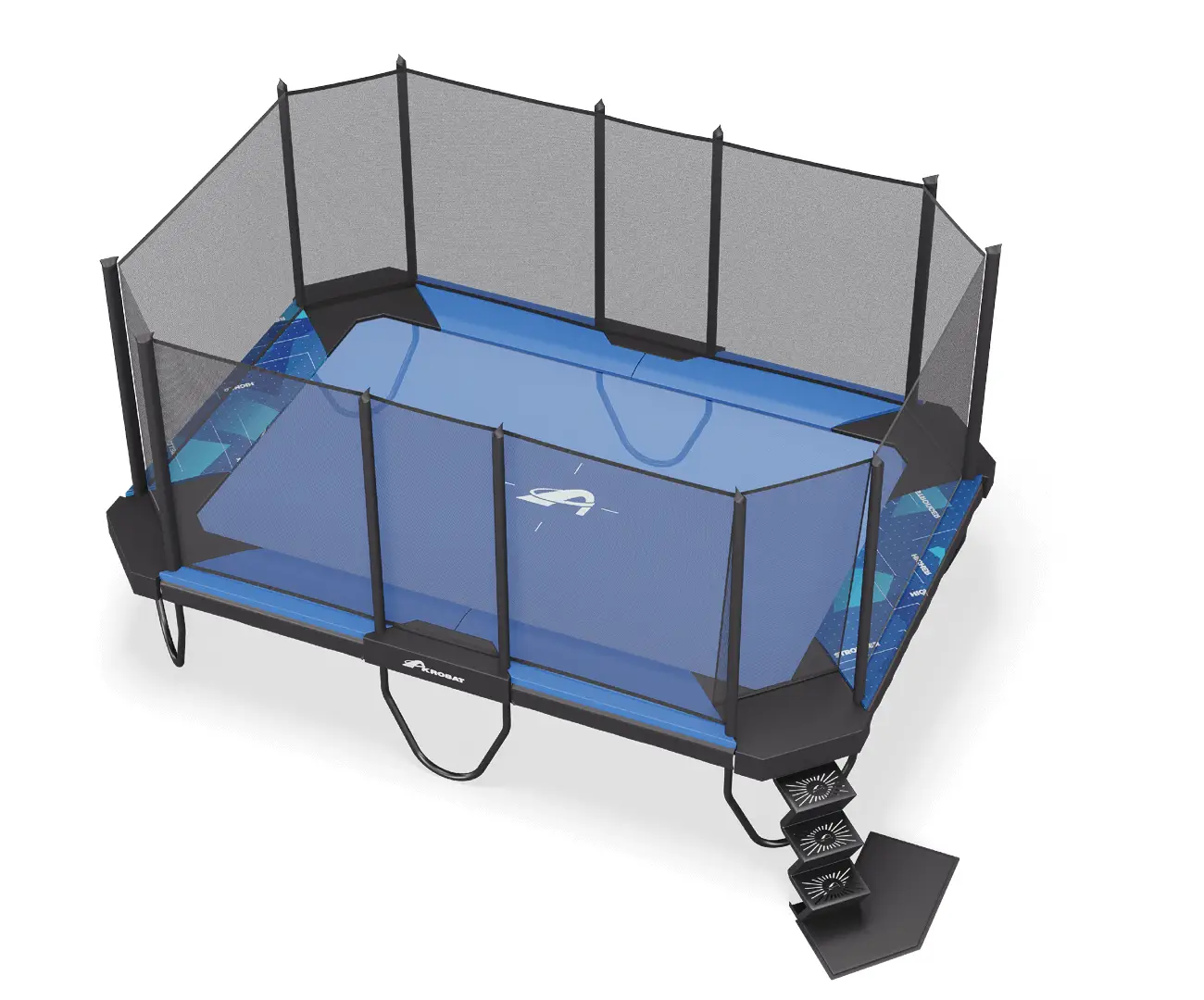
Above Ground Trampolines
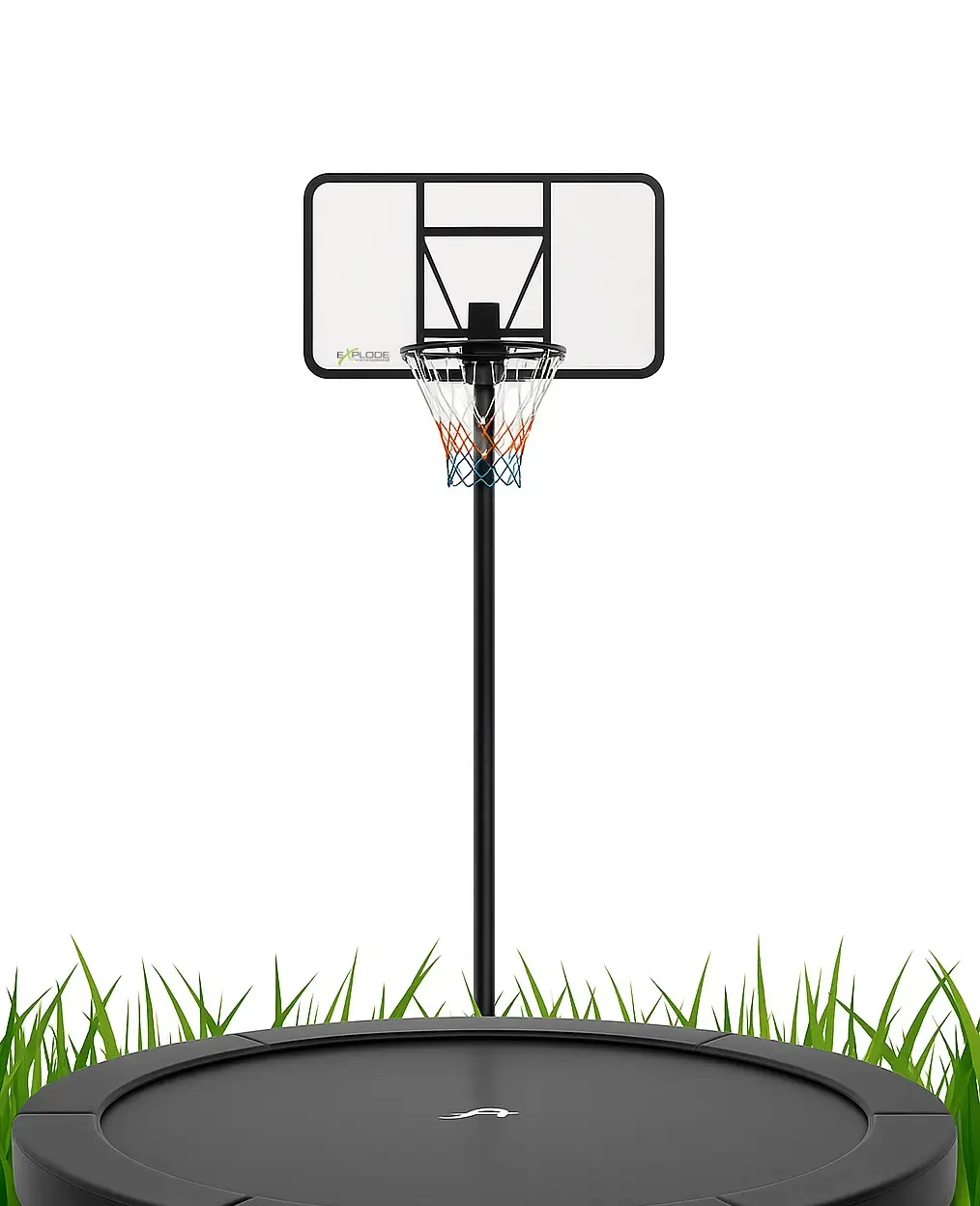
Trampoline Accessories