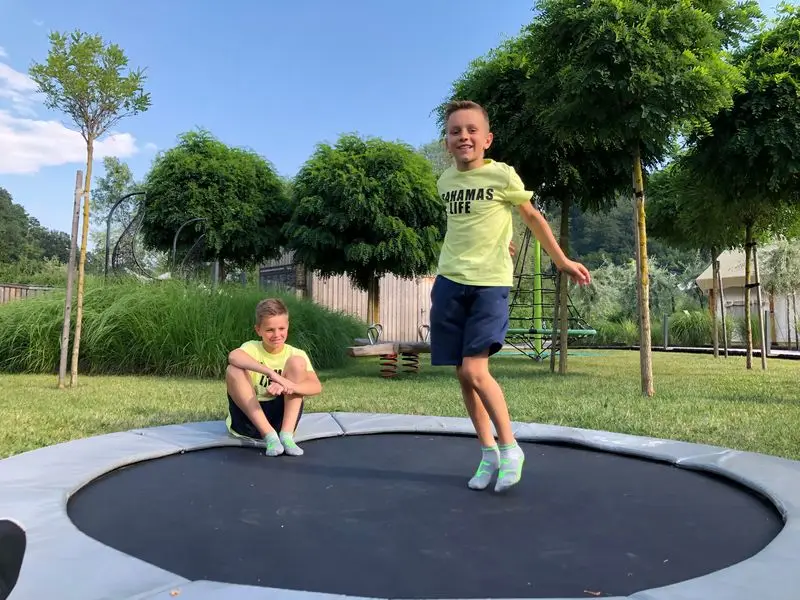
Trampolining can improve bone density through low-impact, weight-bearing motion that stimulates bone growth. Studies show trampoline use boosts hip density, balance, and muscle support. This guide explains how it works, best routines, and key benefits for your skeletal system.
Building and maintaining bone density is about preserving freedom. For millions of aging adults, athletes, and those managing early-stage osteopenia, bone health is a ticking clock.
The good news? You don’t have to take up marathon running or load your joints with high-impact routines to make progress. You just have to jump, strategically.
Why Bone Density Matters, and Who’s at Risk
Bone density reflects the strength and mineral content of your bones. As we age, bone mass naturally declines due to reduced hormone levels, changes in muscle mass, and decreased mechanical stress on the skeletal system. This process accelerates in the absence of regular movement and load-bearing activity.
That’s where risk begins.
Osteopenia is the early stage of bone thinning, often silent until a bone breaks. Left unaddressed, it can progress to osteoporosis, a condition where bones become so brittle that even a minor fall or bump can cause serious injury. That’s why proactive intervention matters, especially with an approach that strengthens bone.
Does Jumping on a Trampoline Help Bone Density?
Yes, especially in the hips, where most low-impact, weight-bearing activity is focused. Studies on trampoline use show that consistent jumping leads to measurable increases in hip bone density. While trampolining may not reverse spinal bone loss, it has been shown to maintain or improve hip BMD in adults, particularly postmenopausal women.
Compared to high-impact workouts like running or plyometrics, trampolines offer a lower-risk way to achieve similar loading benefits.
The difference?
You’re getting the mechanical load without harsh joint impact. Running stresses the knees and spine; trampolining spreads the force across a dynamic surface, giving you the stimulus your bones need without breaking you down.
That unique combo, soft bounce plus body weight, creates optimal bone-loading conditions. Each landing mimics the gravitational pull that tells bones to grow stronger, while the mat absorbs enough shock to prevent injury. It’s joint-friendly and bone-stimulating at once, which makes it ideal for populations often left out of traditional strength training.
How Trampolining Stimulates Bone Growth
Bones are living tissue that remodels in response to pressure. Trampolining applies vertical G-force during each bounce, which acts as a mechanical trigger for bone-building cells (osteoblasts). The repetitive motion and change in direction stimulate remodeling, especially in the hips and legs.
Muscle engagement also plays a major role. Each jump requires coordinated tension from the calves, quadriceps, glutes, and core. That muscular pull further enhances stress on the bones, particularly in areas most susceptible to age-related thinning. With increased muscle tension, your bones need to reinforce their structure.
What sets trampoline training apart is the smooth, multi-directional force distribution. Unlike ground-based impact exercises, which often compress the spine or create jarring movements, a trampoline provides elastic resistance. This controlled recoil distributes loading, delivering enough force to build bone, without putting your body at risk.
How to Start: Step-by-Step Beginner Routine
You don’t need to jump into trampolining with advanced moves. In fact, the best results for bone density come from consistency, not complexity. Here’s a gradual approach that builds confidence, coordination, and skeletal strength.
How High Should You Jump?
No higher than necessary. Lifting your feet 1–2 inches off the mat is enough. The goal is vertical force and joint-friendly impact. Jumping higher doesn’t equal faster progress, especially for beginners.
When Should You Use a Handle?
If you have osteoporosis, arthritis, or balance concerns, a stability handle is your best friend. It reduces the fear of falling and lets you focus on form. Over time, as your confidence builds, you may rely on it less, but never remove it before you’re ready.
Proven Trampoline Exercises for Bone Strength
Mini-Circuit Routines
Bone-Focused Drills
Frequency & Duration
For most adults, 10 minutes per day, 3–5 days per week, is enough to trigger bone remodeling responses. As always, quality over quantity, skip the high jumps, aim for consistent engagement and balance work.
Extra Benefits: Balance, Joint Health & Confidence

Trampolining helps your bones and transforms how you move and feel.
Reduces Fall Risk in Seniors
Balance is one of the most predictive factors for fall risk. Trampolining trains proprioception, reflexes, and postural control, all key for staying upright. Seniors who use rebounders report greater confidence walking, climbing stairs, and recovering from stumbles.
Strengthens the Pelvic Floor
For postmenopausal women, pelvic floor function is often compromised. Regular trampoline workouts, when done correctly, help engage the deep core and pelvic stabilizers. Many find they experience fewer leaks and better control after consistent low-bounce sessions.
Easier on Joints than Traditional Workouts
Running and high-impact workouts come at a cost: joint fatigue, cartilage wear, and long recovery times. A trampoline disperses impact, allowing for weight-bearing without pounding. For those with arthritis, past injuries, or chronic pain, it’s a breakthrough in motion without the usual side effects.
When to Expect Results, and How to Track Them

If you’re bouncing consistently, 3 to 5 times per week, you can expect to see changes in hip bone density within two to three months. Remember, bone change is slow but steady.
Signs It’s Working
You’ll feel more stable. You may have more energy. Everyday movements, like turning quickly or getting up from a chair, will feel smoother. These micro-improvements are strong indicators that the skeletal system is adapting and strengthening.
Is Trampolining Right for You?

Trampolining is a strong choice for:
Recommended Equipment & Setup Tips
Best Rebounders for Bone Density

Look for models with:
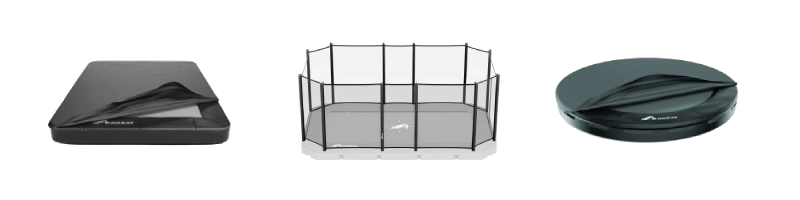
Featured Product -> Akrobat Speed Bouncer Trampoline
How to Choose What Works for You
Safety Checklist
Trampolining vs. Other Bone-Building Workouts
Walking, Dancing, Strength Training vs. Trampolining
Pros and Cons for Seniors, Athletes, and Postmenopausal Women
Trampolining doesn’t replace weightlifting or outdoor walks, but it fills in the gaps with daily movement that strengthens the body without wearing it down.
Ready to Jump In?

If you’re bouncing for bone strength, don’t gamble on build quality. Akrobat trampolines are engineered with a 62.7% softer bounce and premium steel frames that deliver controlled force with maximum durability. Paired with our AkroVENT® mat technology, you get improved airflow, reduced pressure on joints, and a superior feel with every bounce.
Our in-ground and above-ground options are ideal for all ages and abilities, from high-performance athletes to post-rehab movers. Every model includes precision-tensioned mats and closed spring systems that reduce jarring while still stimulating bone response.
AkrobatUSA: Built for Bodies That Want to Last
Explore AkrobatUSA’s trampoline solutions and find the system that will help your body thrive, not just survive.